
Modular Housing for Community Recovery: Why Speed Matters
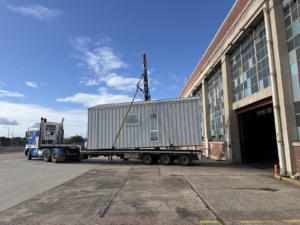
A Nexus Communities modular pod being transported from the factory to its installation site.
Across Australia, communities are feeling the impact of housing shortages more sharply than ever.
Where safe, stable housing isn’t available, the effects ripple quickly — families remain in crisis, support services are stretched, and recovery slows. In times like these, speed matters.
Traditional construction can take years to deliver new homes. Compounding factors such as workforce pressures, weather delays and infrastructure requirements all slow progress.
For people navigating homelessness, family violence or displacement from natural disasters, that timeline is simply too long.
Modular housing offers a different path.
Because pods are built off-site, fabrication and quality control can happen quickly and consistently, without disruption from weather or supply chain delays. Once a site is ready, installation is measured in days, not months.
This means councils, CHPs and emergency response agencies can provide safe accommodation more urgently.
Fast deployment is particularly vital during disaster recovery, when people need basic housing immediately and conventional building timelines aren’t feasible.
In many situations, urgent housing needs arise in places where utilities aren’t yet available. Off-grid systems — including hydrogen fuel cell technology — allow pods to operate independently until permanent services are connected. Communities don’t have to wait for infrastructure before providing dignified shelter.
Rapid delivery doesn’t replace quality. It simply ensures people have a secure foundation sooner, so recovery can begin, stability can return, and communities can start to rebuild.


 Nexus Communities